

As the Department of Defence prepares for anticipated high-level structural shifts—potentially within weeks or months—corridors of power in Hurlingham are buzzing with speculation over who President William Ruto and the Defence Council will appoint as the next Chief of Defence Forces (CDF).
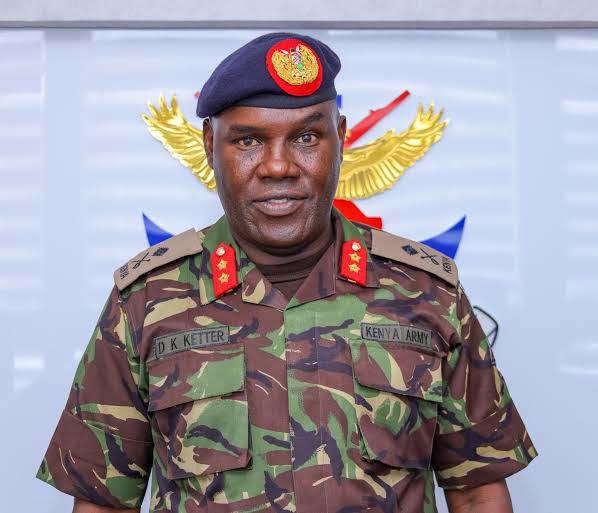
While four three-star generals are technically eligible, insiders acknowledge that the contest has effectively narrowed down to a two-horse race between Lieutenant General David Kimaiyo Tarus and Lieutenant General David Kipkemboi Keter.
The Four Generals in the Succession Equation
Under the unwritten institutional guidelines known as the Tonje Rules—which establish rotational leadership among the Army, Air Force, and Navy—the incoming CDF is expected to be drawn from the Kenya Army. However, the operational matrix presents nuanced dynamics across all four Lieutenant Generals:
| General | Current Role / Profile | County of Origin | Age | Status in Succession |
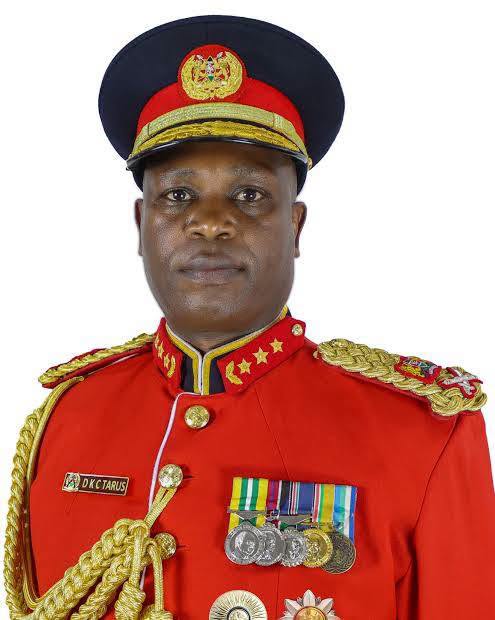
| Lt Gen David Kimaiyo Tarus | Vice Chancellor, National Defence University | Uasin Gishu | 58 | Frontrunner / Preferred Option |
| Lt Gen David Kipkemboi Keter | Commander, Kenya Army | Nandi | 58 | Strong Contender / Key Operational Role |
| Lt Gen John Mugaravai Omenda | Vice Chief of Defence Forces | Vihiga | — | Out-of-Turn Contender (Air Force) |
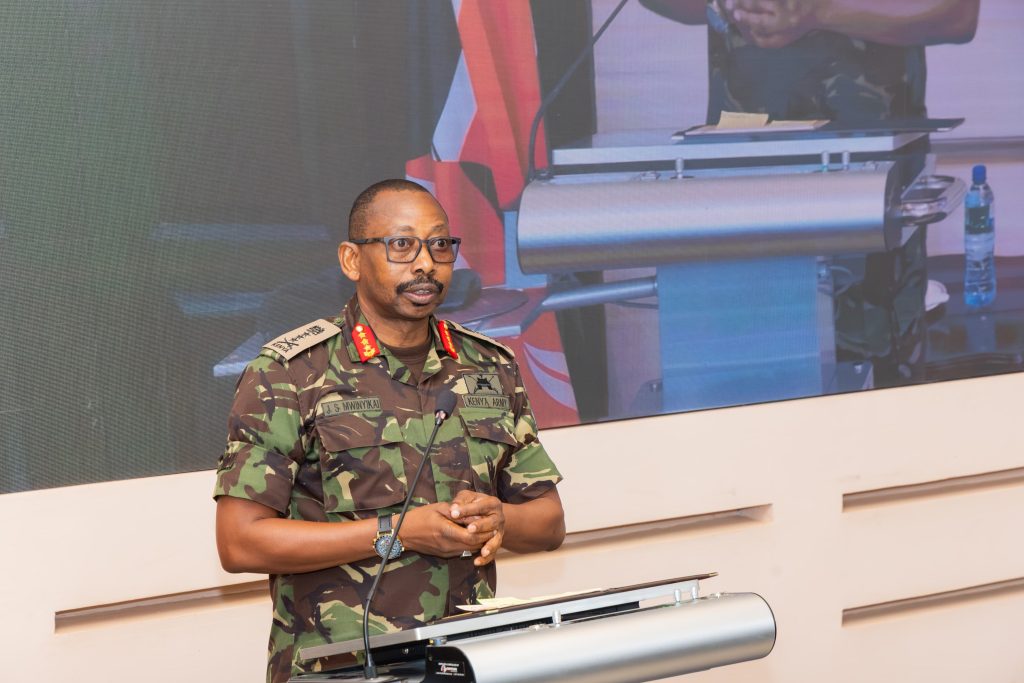
| Lt Gen Juma Shee Mwinyikai | Commandant, National Defence College | Kilifi | 60 | Out of Equation (Pending April Retirement) |
Dissecting the Outsiders: Omenda and Mwinyikai
1. Lt Gen Juma Shee Mwinyikai
At 60 years old, the Coast-born general is nearing compulsory retirement age, expected in April next year. His upcoming transition effectively removes him from consideration for a full four-year CDF mandate.
2. Lt Gen John Mugaravai Omenda
A celebrated combat aviator whose legendary air raids during Operation Linda Nchi are embedded in KDF history. While the Tonje Rules dictate that the Kenya Army holds the next rotation, Air Force factions argue their previous tenure under the late Gen Francis Ogola was cut short. While President Ruto and the Defence Council retain ultimate discretion to override rotation conventions, strictly adhering to institutional norms favors an Army appointment.
The Core Contest: Tarus vs. Keter
With Mwinyikai retiring and Omenda constrained by service rotation rules, the choice centers on two 58-year-old Kenya Army generals: Lt Gen David Kimaiyo Tarus and Lt Gen David Kipkemboi Keter.
┌──────────────────────────────────────────┐ │ THE CDF SUCCESSION RACE │ └────────────────────┬─────────────────────┘ │ ┌─────────────────────────┴─────────────────────────┐ │ │┌────────┴────────┐ ┌────────┴────────┐│ Lt Gen Tarus │ │ Lt Gen Keter │├─────────────────┤ ├─────────────────┤│ • Artillery │ <--- UPPER HAND FACTORS ---> │ • Logistics ││ • Battlefield │ Seniority & Field Experience │ • Staff Roles ││ • Ex-Army Cmdr │ Reformist & Welfare Focus │ • Current KA ││ • NDU-K VC │ Command Precedence Models │ Commander │└─────────────────┘ └─────────────────┘Why Tarus Holds the Upper Hand
While both officers possess distinguished records, military analysts and ministry insiders highlight several factors giving Tarus a competitive advantage:
1. Battlefield Credentials & Tactical Command
Forged in the 75th Artillery Battalion, Lt Gen Tarus brings a combat and field-command background. In contrast, Lt Gen Keter’s career has largely centered on military logistics and administrative staff functions, leaving him with less direct tactical operational exposure.
2. Seniority as Lieutenant General
Lt Gen Keter is the most recently promoted of the four three-star generals, giving him the shortest tenure at his current rank. Tarus’s longer tenure at the Lieutenant General level aligns with traditional seniority expectations for the top post.
3. Administrative Reform & Welfare Popularity
During his stint as Commander Kenya Army and in his current role as Vice Chancellor at the National Defence University Kenya (NDU-K), Tarus established a reputation as a firm, fair, and welfare-oriented leader. Emulating the reformist legacy of General Daudi Tonje, Tarus has consistently enforced strict adherence to seniority in promotions, preventing junior officers from leapfrogging higher-ranking seniors.
4. Precedence for Army Commander Continuity
Promoting Tarus to CDF while maintaining Keter as Commander Kenya Army aligns with established institutional precedence. Historical precedents include:
- Gen Daudi Tonje serving as Chief of General Staff (CGS) alongside Lt Gen Lazarus Cheruiyot as Army Commander.
- Gen Robert Kibochi serving as CDF alongside Lt Gen Peter Njiru as Army Commander.
Keeping Keter in his current role as Commander Kenya Army allows the Commander-in-Chief to maintain stability at Army Headquarters while placing an experienced field commander at the apex of the military structure.
